


By JAG on Apr 23, 2026, 10:00:01 AM
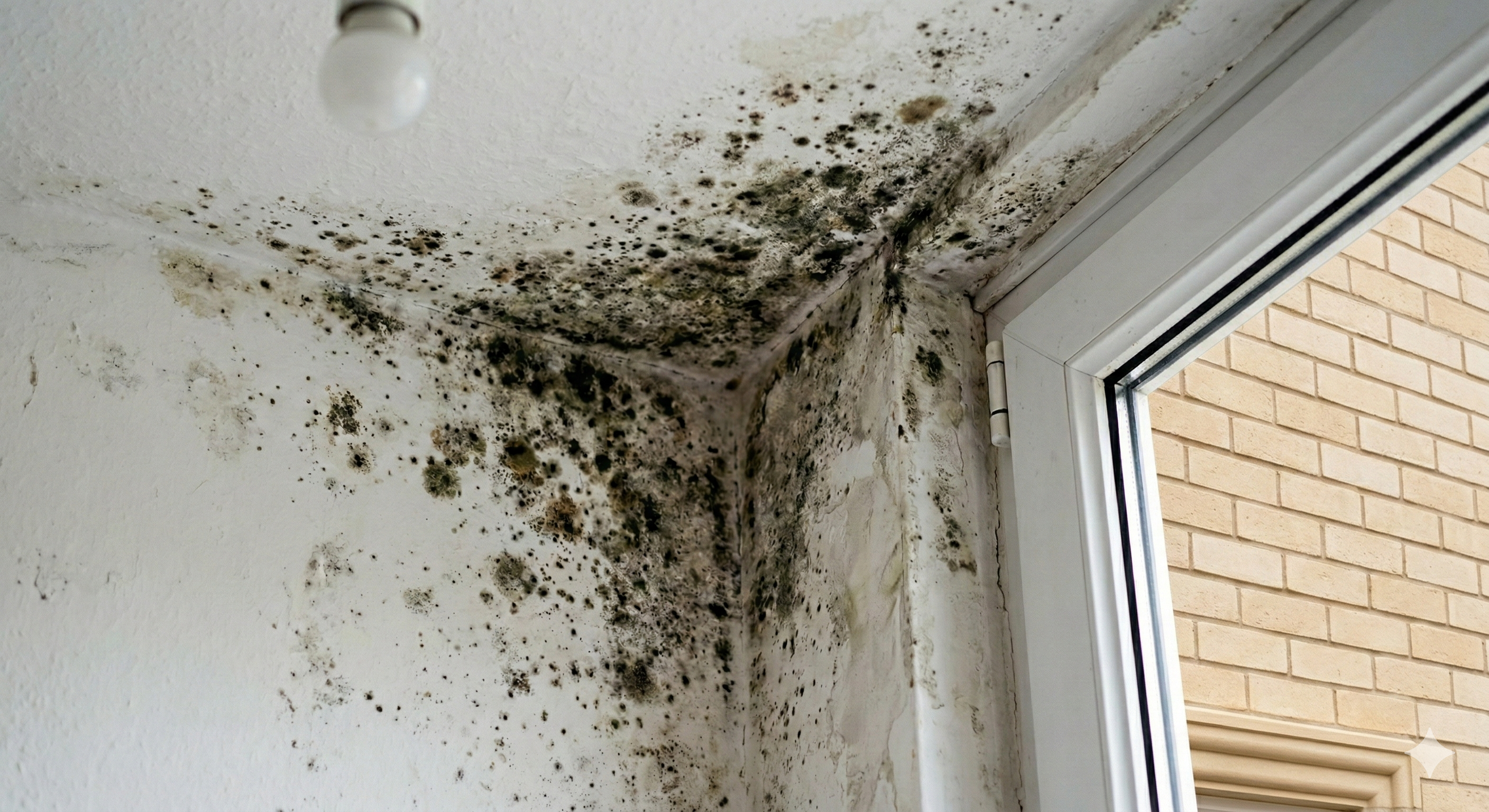
If you manage property there’s a good chance mould, or hopefully lack of it, is on your radar. With news stories about mouldy properties featuring prominently in the last decade, keeping your property, be it rental homes, care facilities or commercial buildings, mould-free is a high priority.

You’ve probably heard of a mould survey; and you’ve probably also heard of mould remediation. While the two are often used interchangeably, they’re not the same thing. A survey identifies the cause and extent of mould while remediation refers to the measures taken to get rid of it and eliminate the underlying cause.
Understanding the difference can save you time, money and unnecessary disruption, especially when complaints escalate or compliance becomes a concern.
Why Mould Is More Than Just A Surface Problem
Mould is an eyesore to say the least and it thrives in damp, poorly ventilated spaces. Bathrooms, bedrooms with condensation, basements and poorly insulated external walls are all common hotspots. But what you can see is only half the story.
What you can’t see is just as important and could be causing all sorts of damage to your building. Mould can form due to ongoing moisture infiltration, condensation from ventilation failures, plumbing leaks, damp issues, and structural defects.
Left unresolved, mould can:
- Affect tenant or resident health
- Trigger formal complaints
- Impact CQC or housing inspections
- Create legal exposure under emerging legislation
What Is A Mould Survey?
A mould survey focuses on identifying why mould is present, the extent of the contamination, moisture sources, contributing building defects and indoor air quality conditions. In short, it establishes what’s causing it and how far it has spread.
A professional mould survey will usually cover the following investigative activities:
- Moisture readings
- Thermal imaging (where required)
- Ventilation assessment
- Humidity monitoring
- Visual inspection
- Surface sampling or air testing (if appropriate)
- Photographic documentation
Once complete, the findings are distilled into a report which explains the root cause, the level of risk, what remedial actions are required and whether further testing is recommended.
It’s not uncommon for property managers to wonder if all they really need to do is clean it rather than carry out more extensive works – this is the stage that will give you definitive answers.
It will provide you with documentation detailing the problem and the necessary steps for remediation, all of which is important when responding to complaints or dealing with insurers and regulators.
What Is Mould Remediation?
In essence, mould remediation is the corrective stage where the contamination is properly removed and the underlying cause is dealt with.
It’s not just wiping mould away or repainting affected areas. Proper mould remediation involves:
- Safely removing contaminated materials (where necessary)
- Treating affected surfaces
- Containment to prevent cross-contamination
- Controlling spores during removal
- Addressing underlying moisture issues
- Drying and restoring affected areas
If remediation takes place without identifying the cause you often find yourself facing the same issue again and again. If your property still experiences condensation, leaks or ventilation then chances are the mould will return. This is why professional mould remediation follows structured processes to ensure mould is not simply disturbed and redistributed because while remediation is treatment it only works long-term if it follows accurate diagnosis.
After remediation is complete, many professional providers also carry out Post-Remedial Verification (PRV). This involves air or surface testing to confirm that mould contamination has been successfully removed and that indoor air quality has returned to safe levels.
Key Differences Between A Mould Survey And Mould Remediation
Here are the key differences between the two processes:
|
Mould Survey |
Mould Remediation |
|---|---|
|
Investigates the cause |
Treats and removes mould |
|
Provides documented findings |
Implements corrective action |
|
Identifies extent of contamination |
Removes contamination safely |
|
Advises on next steps |
Carries out those next steps |
In many cases, both are required, just not simultaneously.
For example, a tenant might raise a complaint, so you commission a mould survey. The survey confirms significant contamination and that the mould is caused by rising damp, so you order mould remediation. If you skip the investigation stage in favour of superficial remediation it could cost you more in the long-run with repeated treatments required.
When Should You Hire Professionals?
You or your general maintenance contractors should be able to take a DIY approach with minor condensation wipe-downs but you should seriously consider professional support if the problem seems more extensive, you get a rising number of formal complaints or your building houses vulnerable occupants e.g., care homes or children’s homes.
You should also call in the experts when you require compliance documentation, the mould keeps returning, there is visible structural damp or you need defensible reporting. A professional mould survey service provides much-needed clarity around the next steps while a specialist in mould remediation provides resolution.
Why Documented Mould Surveys And Remediation Are Essential For Compliance
Given the slew of profile-raising cases that have appeared in the media in recent years, it’s no surprise that there is increased scrutiny around damp and mould, particularly in rental and care sectors. As a result, reactive, undocumented action is no longer enough.
Instead, you need evidence of assessment, action and resolution. A mould survey gives you the necessary evidence base while mould remediation delivers the corrective outcome. Both have their place and knowing which stage you’re at avoids unnecessary spend and ensures you respond proportionately.
It’s always more cost-effective to understand the problem before attempting to fix it. And when managed correctly, mould issues can move from recurring frustration to controlled, documented resolution.Unsure whether you need a mould survey or remediation? Get in touch today to book a professional mould survey and receive clear answers you can rely on.
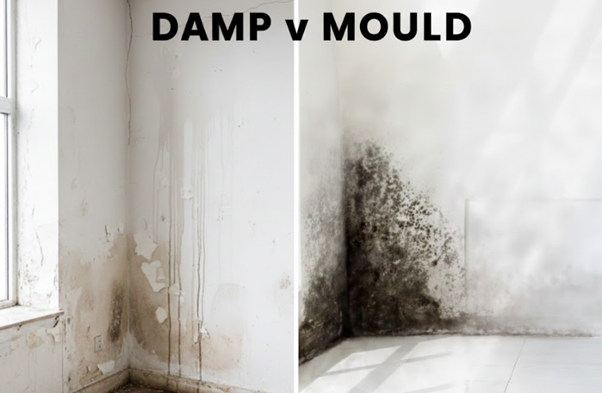
5 Key Differences Between Damp And Mould You Need to Know
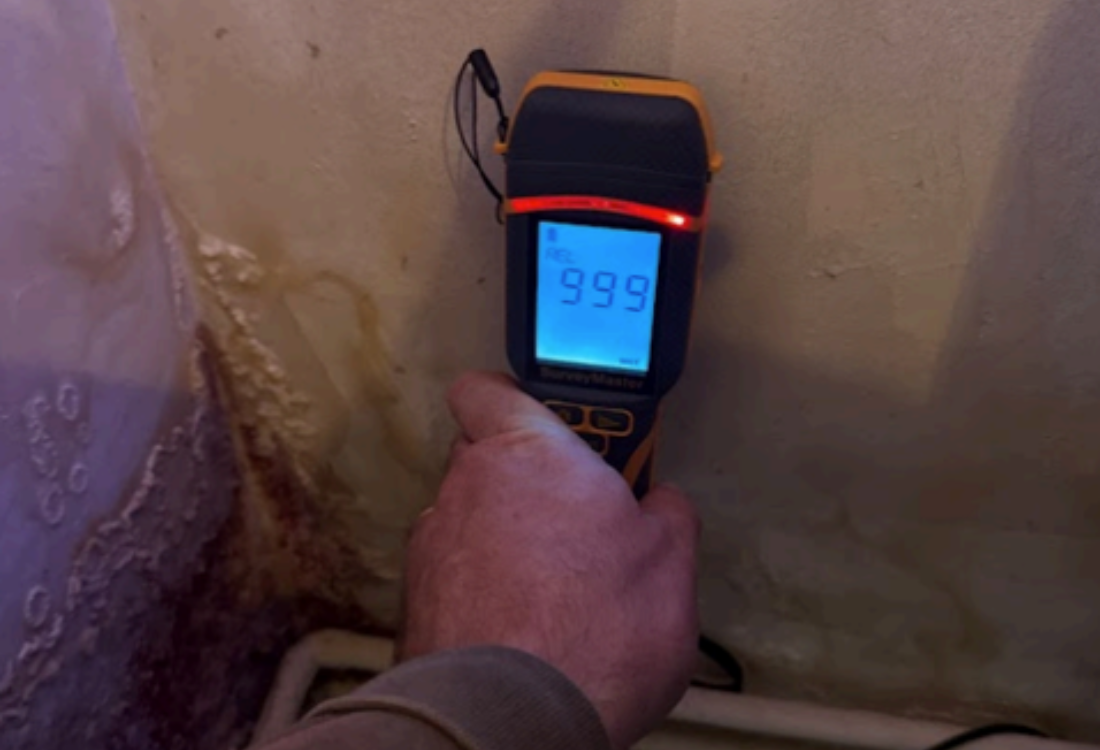
Mould Surveys vs. DIY Kits: Why Professional Testing Matters?

No Comments Yet
Let us know what you think