


By JAG on Jun 23, 2026, 11:00:00 AM

You can’t see or feel indoor air quality. It’s not something you notice on daily basis, or probably even think about all that often – until it becomes a problem.
And by problem we mean headaches, fatigue, complaints about stuffy meeting rooms, persistent condensation, recurring mould and rising sickness absence.
For facilities managers and compliance leads, poor indoor air quality may not be obvious or visible but it does pose an undeniable risk.

Understanding how to approach indoor air quality testing in commercial office buildings helps you move from reactive firefighting to structured prevention.
What Is Indoor Air Quality And Why Does It Matter?
Indoor air quality refers to the condition of the air within a building and how it affects occupants’ health, comfort and productivity. In commercial environments, poor air quality can be caused by:
- Inadequate ventilation
- High CO₂ levels
- Excess humidity
- Volatile Organic Compounds (VOCs) from furnishings or cleaning products
- Dust and particulate matter
- Damp and mould growth
In modern, airtight buildings, particularly refurbished offices, reduced ventilation can unintentionally trap contaminants indoors. For employers this can lead to reduced productivity, increased absenteeism, reputational risk and potential compliance concerns. That’s why structured indoor air quality testing is becoming more common across commercial estates.
When Should You Carry Out An Air Quality Test?
Not every office needs routine testing every month. But there are common triggers that should prompt an air quality test:
- Persistent staff complaints about air freshness
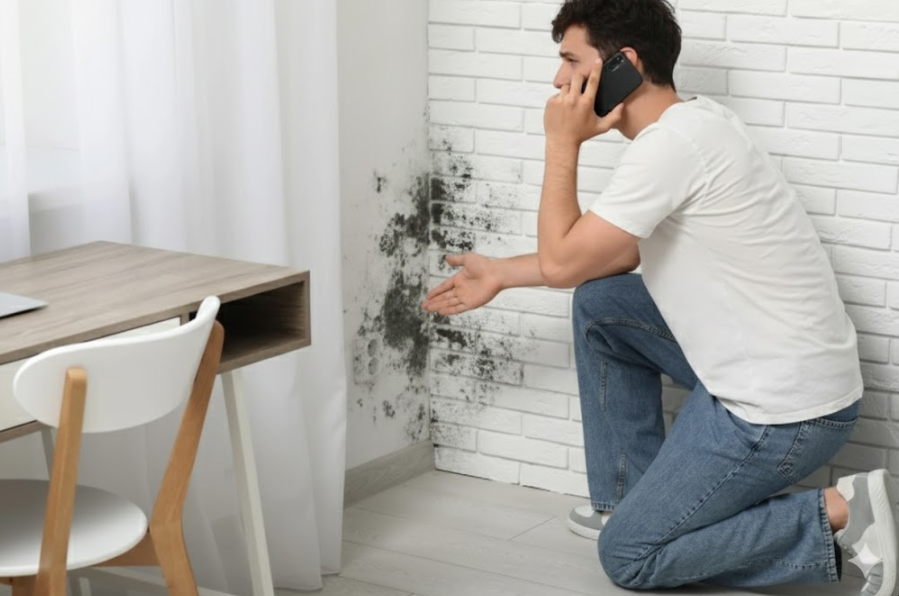
- Recurring condensation or mould
- Refurbishment or fit-out works
- HVAC performance concerns
- Regulatory inspection preparation
- Changes in occupancy levels
- Insurer or ESG reporting requirements
An air quality test provides measurable data rather than assumptions and establishes whether or not a building is operating within safe and acceptable parameters.
What Does Indoor Air Quality Testing Involve?
Professional air quality testing in commercial buildings involves monitoring key indicators such as:
- Carbon Dioxide (CO₂)
Elevated CO₂ levels often indicate inadequate ventilation. While not harmful at typical office concentrations, high levels can contribute to fatigue and reduced cognitive performance.
- Humidity Levels
Excess humidity creates conditions that support mould growth. Low humidity can cause dryness and discomfort. Monitoring relative humidity helps assess condensation risk.
- Temperature Stability
Temperature imbalance can contribute to condensation and occupant dissatisfaction.
- Particulate Matter (PM2.5 / PM10)
Fine particles from outdoor pollution, internal activities or poor filtration can impact respiratory health.
- Volatile Organic Compounds (VOCs)
Emitted from furnishings, adhesives, paints and cleaning products, elevated VOC levels may indicate inadequate ventilation.
- Air Sampling (Where Required)
In buildings with suspected mould issues, air sampling may be included as part of broader indoor air quality testing to assess spore concentration.
The Importance Of Context
Numbers alone won’t give you a completely comprehensive picture. For example, slightly elevated humidity may be manageable if ventilation is easily improved. But elevated humidity combined with visible condensation and mould growth requires a more structured response.
That’s why professional air quality testing commercial buildings includes:
- On-site assessment
- Environmental readings
- Interpretation of data
- Recommendations aligned to building use
- Clear written reporting
It provides facilities with not just data but clear next steps to eliminate any problems.
Common Causes Of Poor IAQ In Offices
In practice, the most common contributors to poor air quality include:
- Blocked or underperforming ventilation systems
- Poor maintenance of HVAC systems
- Inadequate fresh air supply
- Overcrowded spaces
- Poorly designed refurbishments that prioritise insulation over airflow
- Water ingress leading to hidden damp
Treating the cause rather the symptoms ensures your poor air quality issue is eliminated for good rather than becoming a chronic problem which you need continuously spend time and resources on.
Improving Indoor Air Quality After Testing
Once indoor air quality testing has been completed you may be advised to adjust ventilation rates or service HVAC systems. It may be necessary to install additional extraction, manage occupancy density or address moisture ingress. In addition, improving insulation balance or introducing monitoring systems can dramatically improve the internal air quality condition and prevent it deteriorating again in future.
In some cases, a single adjustment resolves the issue. In others, a structured remediation plan is required. The important thing is to act on the evidence available rather than assumptions which can lead to incorrect remedial work being carried out.
Compliance And Environmental And Social Governance (ESG) Considerations
Increasingly, indoor environmental quality forms part of broader ESG reporting and corporate responsibility frameworks. Documented air quality testing demonstrates:
- Duty of care
- Proactive facilities management
- Risk mitigation
- Transparent governance
For multi-site organisations, consistent indoor air quality testing commercial buildings supports a standardised compliance trail.
Keeping Your Building Air Clean Long-Term
Air quality problems rarely just go away. Ignoring complaints or relying on visual inspection alone can allow underlying issues to escalate, particularly where ventilation and moisture interact.
A structured air quality test provides the answer, moving you away from guesswork and to measurable insight. For facilities managers, that means fewer complaints, reduced risk and better control over building performance.
Concerned about air quality in your office building? Book a professional indoor air quality assessment today and gain clear, actionable insight into your environment.
Image Source: Envato
How To Handle Tenant Mould Complaints Under Awaab’s Law?

Understanding the Different Types of Damp in Homes

No Comments Yet
Let us know what you think